一、电阻对焊
两个工件的端面始终压紧,通过电阻热加热到塑性状态,然后快速施加顶锻压力(或在没有顶锻压力的情况下保持焊接压力)称为电阻对焊。
Resistancebuttwelding
Thefacesoftwoworkpiecesarealwayspressedtightly,heatedtotheplasticstatebyresistanceheat,andthenquicklyapplytheupsettingpressure(ormaintaintheweldingpressurewithoutupsettingpressure)iscalledresistancebuttwelding.
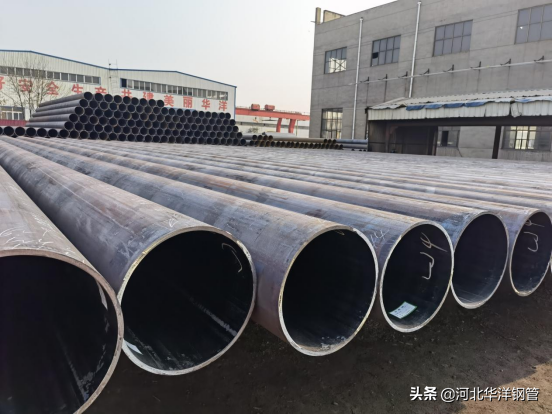
电阻对焊的工艺参数主要有以下三项。
Theprocessparametersofresistancebuttweldingmainlyincludethefollowingthreeitems.
(1)伸出长度:在确定工件从夹钳电极端面伸出的长度时,应考虑顶锻时工件的稳定性和对夹钳的散热。
(1)Extensionlength:wheterminingtheextensionlengthoftheworkpiecefromtheelectrodefaceoftheclamp,thestabilityoftheworkpieceduringupsettingandtheheatdissipationtotheclampshallbeconsidered.
(2)焊接时间和焊接电流。在电阻对焊中有两个决定性因素,焊接时间和焊接电流,两者可以在一定范围内进行相应调整。大电流、短时间均可使用;也可以使用小电流和长时间。但配差过大时,影响焊接接头的强度,容易产生接头氧化、晶粒粗大等缺陷。
(2),;,whenthematchingdifferenceistoolarge,itwillaffectthestrengthoftheweldedjoint,anditiseasytoproducedefectssuchasjointoxidation,coarsegrainandsoon.
(3)顶锻压力、焊接压力。加热时宜用较小的顶锻压力,用较大的焊接压力顶锻。
(3)Upsettingpressure,upsettingduringheating
二、闪光对焊
通常闪光对焊可分为预热闪光对焊、连续闪光对焊(连续闪光对焊又分为顶锻阶段和闪光阶段两部分)。
Flashbuttwelding
Generally,flashbuttweldingcanbedividedintopreheatingflashbuttweldingandcontinuousflashbuttwelding(continuousflashbuttweldingisdividedintoupsettingstageandflashstage).
1、闪光阶段
在闪光阶段,先通电,主要功能是为了加热工件,然后使两个工件的端面轻微接触,形成许多触点。当电流通过时产生热量,触点被熔化,并变成连接两端的液态金属过梁。过梁中的液态金属蒸发,由于液态金属梁中的电流密度极高,过梁爆破。操作中动夹钳缓慢推进,过梁的过程中仍会不断产生爆破。在电磁力的作用下,液态金属颗粒不断形成火花,从界面喷出,即闪光。
1.Flashstage
Intheflashstage,poweronfirst,,heatisgenerated,andt,and,themovingclampispushedslowly,,liquidmetalparticlescontinuetoformsparksandejectfromtheinterface,thatis,flash.
2、顶锻阶段
闪光阶段结束后,需要马上对工件进行顶锻压力,接口间隙迅速缩小,就停止过梁爆破,进入顶锻阶段。顶锻的作用是挤压端面上的液态金属和氧化夹杂物,封闭工件端面之间的间隙,同时使干净的塑性金属紧密接触,形成牢固的接头。
2.Upsettingstage
Aftertheflashstage,itisnecessarytocarryoutupsettingpressureontheworkpieceimmediately,andtheinterfacegapisrapidlyreduced,nsontheface,closethegapbetweenthefacesoftheworkpiece,andmakethecleanplasticmetalinclosecontacttoformafirmjoint.